
Estate Cleanout in Orlando, FL
Clearing a parent's home is a job most people do once, far from home, on a deadline. The crew that takes it works room by room to your keep list, and the price is written per load before anything leaves.
- Written price per load first
- Keep, donate and haul sorted
- Donation receipt on request
What an estate cleanout in Orlando includes
An estate cleanout empties a home of everything the family is keeping nothing of, in the order the family sets, and leaves it broom-swept for the listing agent, the landlord or the next owner. The crew that takes the job starts with a walk-through, confirms what is marked keep, carries donation-grade furniture out to one side of the truck and everything else to the other, and works through closets, garage, lanai and shed until the house is bare. Most houses take one day; a large furnished home or a long-occupied one takes two.
People book this from out of state as often as from across town, and they usually open the call by apologizing for the state of the house. The house is in the state a lived-in house is in. Nothing about it is unusual to whoever attends, and nothing about it changes how the work is done.
Taken on an estate job
The whole contents, with donation-grade items separated where the family wants them donated.
- Furniture in every room, including beds, dressers, dining sets, recliners and wall units
- Appliances, including refrigerators, freezers and window air conditioners, routed to a metal recycler with the refrigerant recovered
- Kitchenware, linens, clothing, books, papers the family has already checked
- Garage, shed and lanai contents: tools, patio sets, grills, bicycles, golf carts by arrangement
- Mattresses, rugs, televisions and electronics
- Medical equipment such as lift chairs, walkers and hospital beds, which often go to donation
Left for other routes
A short list stays off the truck and goes where the county will take it.
- Paint, pesticides, pool chemicals, propane tanks, fluorescent tubes and fuel, which go free to the county household hazardous waste drop-off at the landfill or Porter transfer station, Monday to Saturday 8am to 5pm
- Prescription medication and ammunition, which the county refuses at HHW and the hauler will not carry
- Documents, photographs, jewelry and cash the family has not yet been through, which stay put until someone has
- Vehicles and boats, which need a title and a different kind of tow
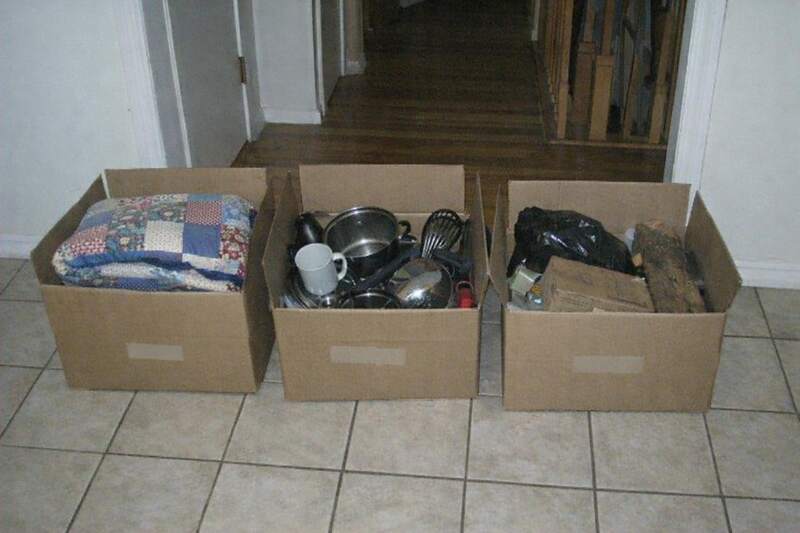
Where to start when a relative passes and the house is full
Start with the papers, then the valuables, then the keep list, and only then the hauler. Estate cleanout crews on Reddit and in practice tell the same story: families find cash in envelopes inside books, savings bonds in a dresser, and jewelry in a coat pocket, and a crew that is told to clear a room clears the room. Go through desks, closets, nightstands and the kitchen drawers yourself first, or have someone you trust do it. Put small valuables in your car before the crew arrives rather than on a counter.
Then decide what is going and mark it. Painter's tape in two colors on the furniture that stays and the furniture that is donated is enough. If the home is being sold furnished or an estate sale company is coming first, book the cleanout for after that date; what the sale leaves is what the hauler takes. If a probate attorney or personal representative is involved, confirm the house can be cleared before anything is booked.
Finally, set a date the house must be empty and share it. A listing photographer, a buyer's walk-through or a lease end gives the crew that takes the job a fixed finish, and a firm date is what lets the written range hold. The explainer video below covers the same sequence from a senior move manager's side.
How an estate cleanout is priced
A whole house is priced in truckloads, each load a fraction of the bed, with the total written down after the walk-through and before the first item moves. Haulers in this market price by how much of the truck a load fills: minimum, quarter, half, three-quarter or full. A furnished two-bedroom usually runs one to two full loads; a long-occupied three-bedroom with a garage can run three or more. Single awkward items such as a piano or a hot tub get their own line. Adjustments are named up front: stairs, a long carry from a back bedroom to the street, very heavy material like paver stacks or a workshop's worth of steel, and refrigerant appliances, which need recovery before scrapping.
The fill line is where estate jobs go wrong when nobody watches. A half truck means half the bed, and a decent crew shows you, or sends you a photo if you are out of state, before loading and after each load so the fractions you are billed for are the ones you saw. The photo route works for the whole quote as well: wide shots of each room, the garage and the lanai let the dispatcher put a range on the house before anyone drives out, and the walk-through on the day confirms it in writing.
| National benchmark | Typical range | Source |
|---|---|---|
| Full truckload | $450 to $650 | Fixr, January 2025 |
| Junk removal, typical job | $150 to $600, about $300 average | Fixr, January 2025 |
| Per load, average | $150 to $350 | HomeGuide, May 2024 |
| Sectional sofa, single item | $200 to $375 | HomeGuide, May 2024 |
| Washer or dryer, single item | $70 to $205 | HomeGuide, May 2024 |
| 10-yard dumpster, one week | $220 to $580, about $350 average | HomeGuide, May 2024 |
Multiply the full-load range by the number of loads for a rough house total; the written estimate after the walk-through is the figure that counts. No deposit is taken, and payment is made when the house is empty.
How to clear a parent's home, and where to start
A senior move manager walks through the order that works: documents first, then keep, donate, sell and haul, and how to pace it.
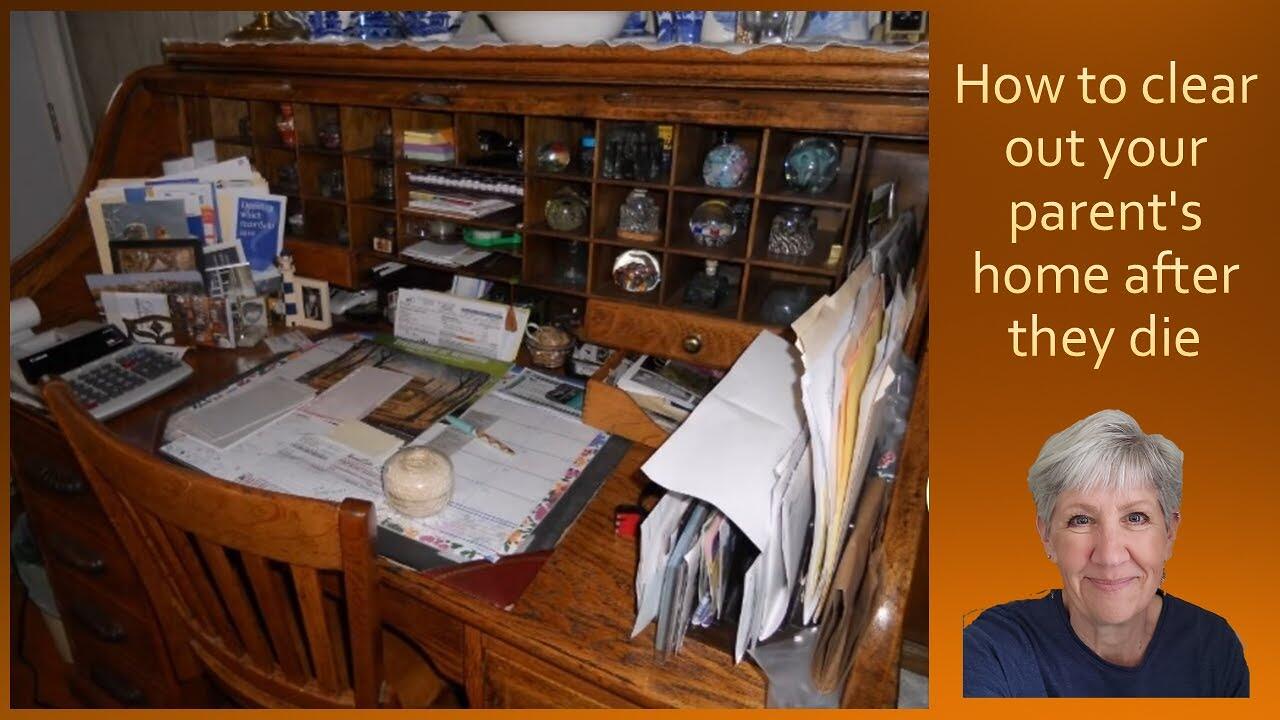
Video: Downsizing PRO on YouTube
Is a dumpster cheaper than junk removal for a whole house?
A dumpster is cheaper when the family has a driveway, several days, and people willing to load it; a hauler is cheaper in every other case once the family's own time is counted. HomeGuide (May 2024) puts a 10-yard dumpster at $220 to $580 a week and a 20-yard at $280 to $699, against a hauler's full truckload at $450 to $650 (Fixr, January 2025). A three-load house can therefore cost more in truck fractions than in one 20-yard container, and some families take that route and spend a weekend filling it.
The container route has costs the price list leaves out. Somebody has to carry every dresser down the steps and heave it over a four-foot steel wall; neighbors fill it overnight; many HOAs around Orlando restrict containers in driveways and how long they may sit; a gated 55+ community may need the gate house told; and the house sits half-cleared for the week between drop-off and pickup. A hauler's crew carries from inside, loads in hours, separates donation items a dumpster would bury, and takes refrigerant appliances that cannot go in a container at all. For an out-of-state family with a listing date, the day saved is the whole point.
The middle option exists too. City of Orlando residents can book a dumpster bag pickup at $100 per bag (orlando.gov), which suits a single room of small items and nothing larger.
What the city and county will take for free first
The free programs can trim an estate job but cannot do it. A City of Orlando resident gets two hand-loadable large items collected free on each yard waste day with no scheduling, from a list that includes sofas, dressers, washers, dryers and refrigerators with the doors removed (orlando.gov). Unincorporated Orange County collects up to three cubic yards of large items per household per week on yard waste day, set out before 6am, and refuses refrigerators, freezers and air conditioners at the curb altogether (ocfl.net). At that pace a furnished home takes a season to empty, and an executor living in another state cannot be there each week to set the next pieces out.
Residents can also drive loads to the Orange County landfill at 5901 Young Pine Road, where household items go in as Class I garbage at $56.40 per ton with a $10 minimum, and a refrigerant appliance is accepted for the $10 minimum (rates effective October 1, 2026). The Porter and McLeod Road transfer stations take Class I only. Many of the estates around Orlando sit outside Orange County in Osceola, Lake and Polk, each with its own program and its own landfill, and the hauler we route knows which gate applies to the address.
Where free pickup fits is the last few pieces after the hauler leaves, or a single sofa in an otherwise empty condo. For a whole house on a date, with donation sorted and the garage included, a paid crew is the better call. Pickups run 7am to 7pm Monday to Saturday and Sunday by arrangement, with same-day and next-day availability for the smaller jobs and a scheduled day or two for a full home.
Where estate cleanouts happen around Orlando
Estate cleanout demand around Orlando sits at the edges of the metro rather than in the city, because Orlando is young. Residents aged 65 and over make up only about 13.5 to 14.3 percent of Orange County, well under Florida's 21.8 percent (Census Vintage 2024), and 11.8 percent of the City of Orlando (2023 ACS). The retirement housing is in the 55+ clusters outside the county line: Solivita between Kissimmee and Poinciana with roughly 5,500 to 5,900 homes, Del Webb Sunbridge in St. Cloud, and Kings Ridge, Summit Greens and Del Webb Lakehaven in Clermont. A large share of the calls routed from here are for a villa or a single-story home in one of those communities, booked by an adult child in another state.
Those communities change the job in small ways. Gate houses need the hauler's name and plate. Villas share walls, so the carry is quiet and the truck parks where the HOA says. Many of the homes were furnished by the same generation at the same time, so there is a lot of good solid furniture with a donation value and a lot of it in the same style. Seasonal residents mean a home may have sat closed over a Central Florida summer, and a crew expects the mildew smell and the dead refrigerator that come with that.
In the city itself, estate work shows up as condo clearances, inherited bungalows in the older pre-1990 neighborhoods that make up 47.7 percent of Orlando's housing stock (2023 ACS), and the occasional long-occupied house where the clearing is closer to a hoarding cleanout than an estate one. If the house falls into that last group, say so at booking so the right crew and the right number of days are planned.
Where the contents of the house go
An estate load splits three ways: donation, metal recycling and the county landfill, and the split is decided with you during the walk-through. Solid furniture, working appliances, lift chairs, kitchenware and clothing in good condition go to donation when you want them to, and a donation receipt is available on request where it applies. Donation is claimed only where it happens; a stained sofa or a particleboard dresser is landfill and the crew will say so rather than promise otherwise.
Appliances take a separate route by law. Fla. Stat. 403.708(12) bars white goods from Florida landfills, so refrigerators, freezers, washers, dryers and water heaters go to a metal recycler, and under EPA Section 608 the refrigerant in a refrigerator, freezer or window unit must be recovered by a certified technician before the appliance is scrapped, with the final party in the chain keeping a signed recovery statement. A hauler who takes a dead refrigerator from a Solivita garage needs that route, and it is fair to ask whoever attends what it is.
The rest goes to the Orange County landfill on Young Pine Road, or to the county landfill that serves the address, with a gate receipt the family can see. Nationally the EPA reported 12.1 million tons of furniture and furnishings generated in 2018 with 80.1 percent landfilled, and an estate cleanout is where much of that comes from, which is the case for sorting donation out first. Dumping is the shortcut nobody should take: a whole truckload left on a back road is a third-degree felony under Florida's Litter Law, Fla. Stat. 403.413, with a fine of up to $5,000.
What to check before the crew is booked
Five checks by phone settle most of what goes wrong on estate jobs. Ask for proof of liability insurance from the hauler we route, because a two-day job inside a furnished house is where door frames and floors get marked. Get the whole-house price in writing after the walk-through and before the first load, with the number of loads and the adjustments listed. Ask who will be in the house: the crew that takes the job, named, rather than a call center booking and strangers in a pickup. Ask where the loads are going and whether a receipt is available. And expect no deposit; payment is made when the house is empty, by card or invoice, with no tip expected.
Florida has no state license for junk hauling. The haulers routed from here operate under an Orange County Business Tax Receipt and carry liability insurance, and whoever attends can show both. For the jobs that bracket an estate, furniture removal handles a partial clearance and appliance removal covers the refrigerant route in detail. The line itself is described at about, and photos of the rooms can be sent through contact.
The services that usually sit beside this one
Most Orlando pickups mix two or three of these, and the pages below describe the ones that most often ride on the same truck.
- Furniture Removal: Sofas, dressers, sectionals and mattress sets carried out from any room and hauled.
- Appliance Removal: Refrigerators, washers, dryers and water heaters, with the refrigerant handled by the rules.
- Hoarding Cleanout: Room by room, with the person who lives there deciding what goes.
An estate job touches almost every service here over a few visits, and the about page covers how that gets scheduled.
How an estate cleanout is arranged
Five steps from the first call to a swept, empty house.
-
Describe the house
Call (407) 326-0014 or send photos of the main rooms, the garage and the lanai, with the town, the size, and the date it must be empty.
-
Get a range, then a walk-through
The photos produce a written range in loads. On the day, the crew that takes the job walks the house with you or your keep list and confirms the number in writing before anything moves.
-
Sort and load
Keep items stay marked and untouched. Donation-grade pieces go to one side of the truck, everything else to the other, and you see the bed before and after each load.
-
Sweep
Closets, garage and shed are checked, the floors are swept, and anything the family changed its mind about is set aside.
-
Pay when it is empty
The agreed figure is paid by card or invoice once the house is bare. Donation receipt on request where it applies.
Why arrange an estate cleanout through this line
Three things that hold on every estate job routed from here.
The house is priced in loads, in writing, before the first one
A whole-home job is where a vague quote hurts most, because it is paid by people who are grieving and far away. The written estimate after the walk-through lists how many loads, what fraction each is expected to fill, and the adjustments, and the fill line is shown or photographed before and after every load. The number you agreed to is the number paid when the house is empty.
Fixr (January 2025) puts a full truckload at $450 to $650 nationally; a furnished two-bedroom usually runs one to two loads.
Keep, donate and haul are sorted with you
The crew that takes the job works to a marked keep list and carries donation-grade furniture separately, so good pieces reach a charity rather than the landfill and a receipt is available on request where it applies. Papers, jewelry and cash the family has not been through stay where they are until someone has. A family member on the phone or on speaker during the walk-through can make the last keep decisions in real time, and anything set aside by mistake is pulled back off the truck before it leaves.
EPA (2018 data): 12.1 million tons of furniture and furnishings generated nationally, 80.1 percent of it landfilled.
Appliances go to a recycler with the refrigerant recovered
Every estate house has a refrigerator, and many have a garage freezer. Florida bars white goods from landfill burial and federal rule requires refrigerant recovery before scrapping, so the haulers routed from here carry those units to a metal recycler on that basis rather than leaving them at the curb for a county truck that will refuse them. A failing refrigerator still holding food is emptied by the crew before it moves, and each appliance is a named line on the written estimate rather than a surprise on the day.
Fla. Stat. 403.708(12) and EPA Section 608; unincorporated Orange County excludes refrigerators and freezers from curbside large-item pickup (ocfl.net).
What Reddit Says About Estate Cleanouts in Orlando
The estate cleanout threads on Reddit are anchored by one story: a national franchise quoting $11,000 to clear a house of about 1,100 square feet after a death, which commenters called a decimal point error and taking advantage of grief. Against it sit the figures families report paying in their own cities and years, a semi-hoarded ranch house for a full truck at about $900 plus a two-thirds truck at about $650, five truckloads for about $1,200 some years back, and a family that rented a 30-yard dumpster, broke everything down themselves and paid just under $500 plus a day of their own labor. The lesson posters draw is that three in-person estimates on the same house land within a few hundred dollars of each other, and the company that would not commit to a number lost the job.
What families say they wanted was a crew that listened while they explained what to set aside, did not judge, and finished in a few hours; a firm timeline, because the house was six hours away or the listing was scheduled; and donation of what could be donated, which one adult child said was the thing that let Dad agree to let go. Estate sale companies and auctioneers are raised as the other path, with the caution that one estate's net from a sale was eight dollars.
The practical advice repeats across threads. Flip through the papers before anything is hauled; one family found close to a thousand dollars in bills tucked inside newspapers. Lock small valuables in your car while a crew works, after one poster lost heirloom jewelry. Ask for the dump receipt or a photo of the truck in line at the landfill, and pay once the load is on the truck. Those are the conditions an estate cleanout routed from here is run on: a written price in loads after the walk-through, a crew that works to your keep list, and a receipt for where the loads went.
A typical estate cleanout call from a 55+ villa near Kissimmee
The situation: An adult child in another state has a parent's two-bedroom villa in a gated 55+ community between Kissimmee and Poinciana to clear before a listing photographer comes. The home is fully furnished, the garage holds a dead chest freezer and a golf cart that is already sold, and a sibling has been through the papers and pulled the keep pieces into the spare room with tape on them.
What gets done: The caller sends photos of each room and the garage, and the written range comes back as two full loads plus a refrigerant line for the freezer and the kitchen refrigerator. The gate house is given the hauler's name. On the day, the crew that takes the job walks the villa with the sibling on speakerphone, confirms the figure in writing, carries the dining set, the lift chair and the bedroom furniture to the donation side of the truck, and sends a photo of the bed before and after each load. The freezer and refrigerator are tagged for the metal recycler.
How it turns out: The villa is swept and empty by late afternoon, the spare room still holds the taped keep pieces, and the caller pays the agreed figure by card from another time zone. A donation receipt follows on request, the gate receipt shows where the loads went, and the photographer comes the next morning.
Estate cleanout questions
What families ask when a relative passes and a house needs clearing.
Call (407) 326-0014How much does an estate cleanout cost in Orlando?
A whole house is priced in truckloads, with a full load running $450 to $650 nationally (Fixr, January 2025) and most furnished two-bedrooms needing one to two loads; larger or long-occupied homes run three or more. Stairs, long carries, heavy material and refrigerant appliances are named adjustments. Photos of the rooms produce a written range before anyone drives out, the walk-through confirms it in writing before the first load, and payment is made when the house is empty with no deposit.
Is a dumpster cheaper than junk removal for a whole house?
Sometimes on paper, rarely once the family's time is counted. A 20-yard dumpster runs $280 to $699 a week nationally (HomeGuide, May 2024) and a three-load hauler job can cost more than that in truck fractions. The container needs people to carry every piece out and over the wall, a driveway an HOA will allow it in, and a week the house sits half done. A hauler's crew loads from inside in hours, sorts donation items, and takes the refrigerator a dumpster cannot. For a family on a listing date from out of state, the crew is usually the cheaper choice overall.
Will you donate what can be donated?
Yes, where the item is in donation condition and you want it donated, and a receipt is available on request where it applies. Solid furniture, working appliances, lift chairs, kitchenware and clothing in good shape are set to one side of the truck during the sort. Donation is claimed only where it happens; a torn recliner or a water-stained dresser is landfill, and the crew that takes the job will tell you so at the walk-through rather than promise a charity pickup that never comes.
Do I have to be at the house for the cleanout?
No. Most estate jobs routed from here are booked by a family member in another state. A marked keep list, a key or a lockbox code, the gate house told, and a phone number for questions are enough. The crew that takes the job confirms the written figure by text or call before the first load, sends photos of the truck bed before and after each load so the fractions are visible, and sends a photo of the swept rooms at the end. A local sibling or neighbor on site is welcome and often useful for the keep decisions.
What should I do before the crew arrives?
Go through the papers and the small places first: desks, nightstands, coat pockets, books and kitchen drawers, because cash, bonds and jewelry turn up in all of them. Put valuables in your car. Mark keep furniture with tape and group it in one room if you can. Let an estate sale or auction run first if one is planned. Set the date the house must be empty and tell the dispatcher. Nothing else needs doing; the crew carries from where things stand.
What happens to the refrigerator and freezer?
They go to a metal recycler with the refrigerant recovered first, because Florida law bars large appliances from landfill burial and EPA Section 608 requires certified recovery before scrapping. Unincorporated Orange County will not take them at the curb at all, and a city resident would have to remove the doors and wait for yard waste day. On an estate job they are a named line on the written estimate, tagged on the day, and routed separately from the landfill loads. A failing refrigerator still holding food is emptied by the crew before it is moved.